Furniture QCO summary
Whether you need BIS for furniture products made in your own factory or for furniture you import, this guide covers BIS certification for furniture in India from start to finish: what the furniture QCO covers, what changed in 2026, which tests your products must pass, how the process works for Indian factories and, in more depth than most guides, how foreign furniture manufacturers get licensed through the Foreign Manufacturers Certification Scheme (FMCS). Every regulatory fact here comes from the official order, the BIS product manuals or BIS's own FMCS pages, all listed in the Sources section at the end.
Quick answer: Yes, BIS certification is mandatory for furniture in India. Under the Furniture (Quality Control) Order, 2025 (S.O. 801(E)), work chairs, general purpose chairs and stools, tables and desks, storage units, beds and bunk beds must meet IS 17631 to IS 17636:2022 and carry the ISI mark from 13 February 2026. Indian factories apply for a BIS licence under Scheme-I; foreign factories apply through FMCS.
What the licence, ISI mark and CM/L number mean
The BIS mark on furniture, also called the Standard Mark on furniture, is the visible sign of that licence. Three terms are often mixed up. The BIS licence is the legal permission. The ISI mark (formally the BIS Standard Mark) is the symbol printed on the product. The CM/L number is the unique licence number shown next to the mark so anyone can trace the product to the licensed factory. Whether people search for a BIS certificate for furniture, ISI certification for furniture, BIS registration for furniture or BIS approval for furniture, they usually mean the same thing: a BIS licence that allows the ISI mark on furniture.
Furniture certification in India is product-based and factory-based at the same time. BIS checks that sample products pass the tests in the standard, and it checks that the factory has the process control, raw material checks and testing arrangements to keep producing compliant furniture. That second part is why a test report alone is never enough, and why BIS certification for furniture manufacturers involves a factory inspection as well as lab testing.
Is BIS Mandatory for Furniture? The Furniture Quality Control Order 2025
Yes. BIS is mandatory for furniture in the six notified categories. The Department for Promotion of Industry and Internal Trade (DPIIT) notified the Furniture Quality Control Order 2025 through S.O. 801(E) dated 13 February 2025, under the Bureau of Indian Standards Act, 2016. The order came into force twelve months after publication, and DPIIT's own schedule lists the furniture QCO implementation date as 13 February 2026.
There is no later deadline to wait for: the furniture QCO last date for compliance was the implementation date itself. From that date, mandatory BIS certification for furniture applies: the six categories must conform to their Indian Standards and bear the Standard Mark under a BIS licence. The order makes BIS both the certifying and the enforcing authority and states that anyone who contravenes it is punishable under the BIS Act, 2016. This is what people mean when they ask whether the ISI mark is compulsory for furniture, or what "BIS compulsory for furniture" covers.
The BIS QCO for furniture also explains who is exempt. Two points from the original order matter in practice. Goods manufactured in India purely for export are outside the order. And the original order gave micro and small enterprises extra time; that relief has since been replaced by a clearer MSME exemption, explained below.
The furniture quality control order is part of a wider move to bring everyday consumer products under compulsory BIS certification. For furniture, it is the first time chairs, tables, storage units and beds have needed an ISI mark at all, so most manufacturers and importers are going through the process for the first time.
Furniture QCO Latest Update: 2026 Amendments
The furniture QCO 2025 has changed several times since it was notified. If you rely on an older article, you will miss rules that now decide whether your stock can be sold. The furniture QCO amendment 2026 package and related orders are set out below, with the sequence of furniture QCO notifications in one place, taken from the Gazette and BIS copies of each order.
Apart from these specific reliefs, none of the orders above moves the 13 February 2026 date, so anyone searching for a furniture QCO extension should rely on these notifications rather than unofficial "furniture QCO postponed" claims.
What the Furniture Quality Control Amendment Order 2026 Changed
The Furniture Quality Control Amendment Order 2026 (S.O. 774(E)) added three provisos.
- R&D imports: A furniture manufacturer that already holds a BIS licence, or has applied for one, may import up to 200 units of notified furniture per financial year for research and development. These units cannot be sold, must be disposed of as scrap, and year-wise records must be kept and submitted to the Central Government.
- Pre-implementation stock: Licensed manufacturers and applicants may sell, display or offer for sale stock made or imported before the QCO came into force, for 12 months from the implementation date, after declaring that stock to BIS through a self-declaration.
- Export-linked imports: This furniture QCO export exemption covers furniture, components or sub-assemblies without the BIS mark that are imported to make furniture for export are exempt, provided a signed self-declaration with invoice details and an undertaking that the goods will not be sold in India is given, and records are kept for audit.
Furniture QCO MSME Exemption (S.O. 777(E))
S.O. 777(E), dated 12 February 2026, amended eight QCOs at once, including furniture. The furniture QCO for MSME units now works like this: the order does not apply to goods manufactured by an enterprise registered on the Udyam Portal whose investment in plant and machinery or equipment does not exceed ₹1 crore and whose turnover in the previous financial year does not exceed ₹5 crore, as certified by a Chartered Accountant.
So who is exempt from furniture QCO rules? Small Udyam-registered manufacturers within these limits, goods made in India for export, and the specific R&D and stock cases above. Two practical points follow. The exemption is tied to the manufacturing enterprise and its Udyam registration, so it is a domestic relief that a foreign factory cannot use. And because the test uses the previous year's figures, a growing small manufacturer should plan for certification before it crosses either threshold, not after.
Furniture QCO Second Amendment 2026: The Import Relief Has Ended
The furniture QCO second amendment 2026, S.O. 1125(E) dated 2 March 2026, protected importers whose furniture was already shipped or ordered when the QCO came into force. Goods shipped under a Bill of Lading issued before the implementation date, and goods covered by a Purchase Order placed before that date, could be cleared if the Bill of Entry was filed within 180 days of implementation. For the purchase-order route, the importer had to submit the Purchase Order, Bill of Lading, Bill of Entry and supporting documents to BIS within seven days of clearance.
That 180-day window closed in August 2026. Any furniture consignment arriving now must come from a BIS-licensed factory unless another exemption clearly applies.
Transition Facilitation Quality Control Order 2026: Does Furniture Move to Scheme-II?
No, and this is one of the most widely repeated misunderstandings about BIS rules for furniture in 2026. The Transition Facilitation (Quality Control) Order, 2026 (S.O. 3417(E), 25 June 2026) does include the Furniture QCO in its schedule, alongside nine other QCOs such as toys, footwear, hinges and certain appliances. But it does not switch all furniture from Scheme-I to Scheme-II.
What the order does is narrower. A company incorporated under the Companies Act, 2013 can apply to DPIIT for permission. An Implementation Committee chaired by DPIIT assesses the applicant on technical capability, supply-chain quality assurance and compliance history, for example three years of continuous compliance with the relevant QCO, or a commitment to build Indian supply-chain capability. A company that receives permission may then source goods from manufacturers licensed under Scheme-II of Schedule-II of the BIS (Conformity Assessment) Regulations, 2018. Applications are accepted for 24 months, and the order runs for five years unless extended.
The TFQCO furniture provisions therefore help only permitted companies. For almost every furniture manufacturer and importer, the standard route therefore remains Scheme-I BIS certification: the ISI mark licence for Indian factories, or FMCS for foreign ones. It does not create a shortcut for everyone else.
Who Needs BIS Certification for Furniture?
The QCO applies to the goods, so anyone in the chain who makes, imports, stores, sells or distributes covered furniture is affected. The furniture QCO applicability works out like this:
- Indian furniture manufacturers: Need a BIS licence for each factory that makes covered furniture, unless they qualify for the MSME exemption. This includes wooden, steel and plastic furniture makers and ready-to-assemble furniture; BIS certification for flat pack furniture follows the same standards as assembled products.
- Foreign furniture manufacturers: Need a BIS licence under FMCS for each overseas factory whose furniture is exported to India. Factories in China, Vietnam, Malaysia, Indonesia, Thailand and Europe that supply Indian buyers all follow this route.
- Importers: BIS certification for furniture importers works through the supplier. An importer cannot clear covered furniture unless it comes from a BIS-licensed factory and carries the ISI mark. The importer does not hold a licence on behalf of a foreign factory; the factory itself must be licensed, and the importer often acts as its Authorized Indian Representative.
- Brands and private-label owners: BIS certification for furniture brands depends on where the product is made. If your chairs or tables are made by a contract manufacturer, the licence is granted to that manufacturing unit, with your brand documents included in the application.
- Retailers and e-commerce sellers: Selling, stocking or displaying covered furniture without a valid ISI mark is a contravention. BIS has carried out enforcement searches at warehouses, including e-commerce warehouses, for products under QCOs. This is why BIS for furniture sold on Amazon, Flipkart or any other marketplace is the seller's concern too. Ask suppliers for their licence details and verify them on the BIS website before listing.
- Government and institutional suppliers: BIS certification for school furniture, hostel beds and other institutional furniture matters because public buyers increasingly look for BIS certified furniture, so certification also supports bids for government furniture tenders.
Furniture made in India exclusively for export is outside the order, and small Udyam-registered manufacturers within the ₹1 crore and ₹5 crore limits are exempt.
Indian Standards for Furniture: Six Categories Under BIS Certification
The furniture under BIS certification today is limited to six product standards, and these BIS furniture standards make up the whole furniture QCO products list. Each has its own BIS product manual that sets out scope, samples, tests, grouping of models and marking. Choosing the right BIS standards for furniture is the first decision in any application, because the tests and sampling differ.
BIS Certification for Work Chairs and Office Chairs (IS 17631)
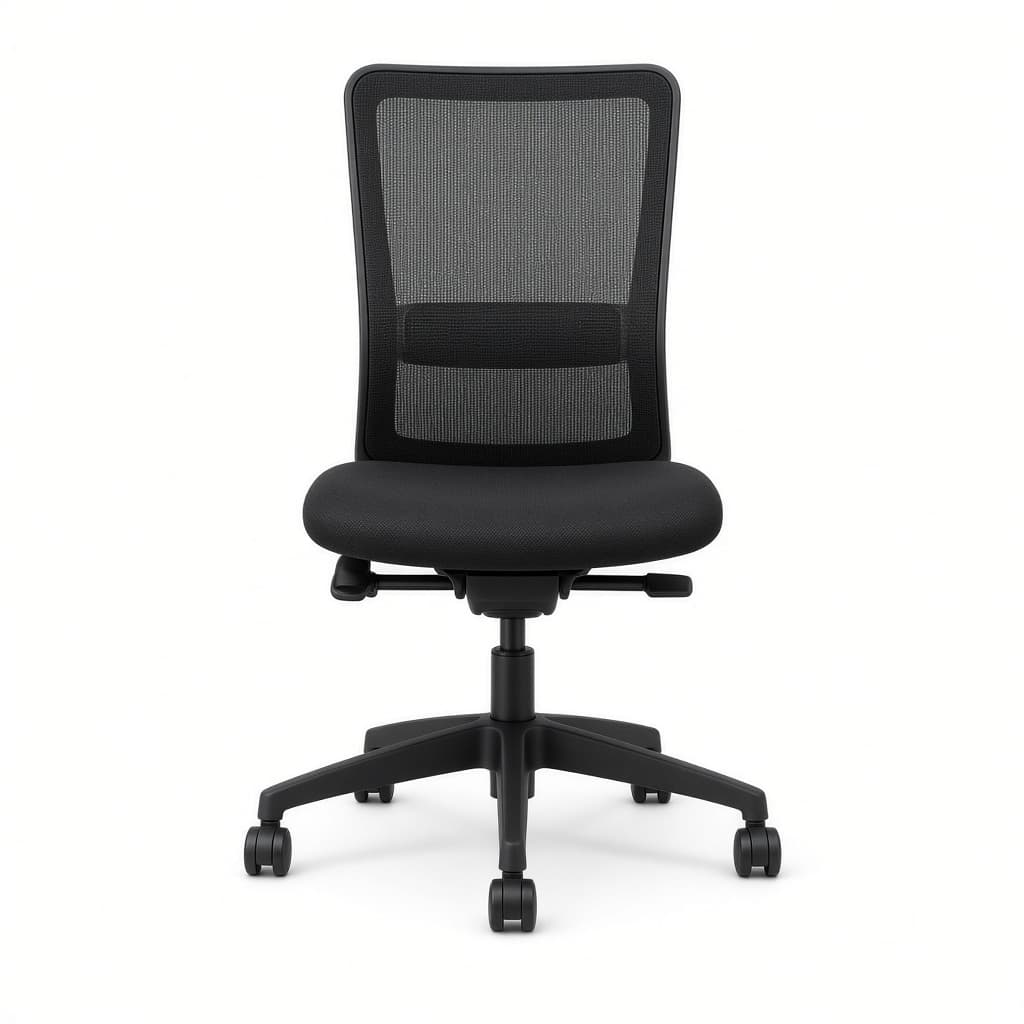
The BIS standard for work chairs, and therefore the BIS standard for office chairs, is IS 17631:2022. It applies to completely manufactured work chairs and to ready-to-assemble units: office chairs, task chairs and executive chairs used at a workstation, with or without armrests, castors, a recline mechanism or a locking device. BIS certification for office chairs follows this standard, so the ISI mark for office chairs and the ISI mark for work chairs mean the same licence.
The IS 17631 product manual asks for two complete chairs for dimensional and safety testing, plus material samples such as panels, fabric or leather for surface performance tests. An IS 17631 test report from a BIS-recognised IS 17631 testing lab is required for the application. Because the office chair market is large and imports are common, BIS certification for work chairs is often the first licence importers need.
BIS Certification for General Purpose Chairs and Stools (IS 17632)
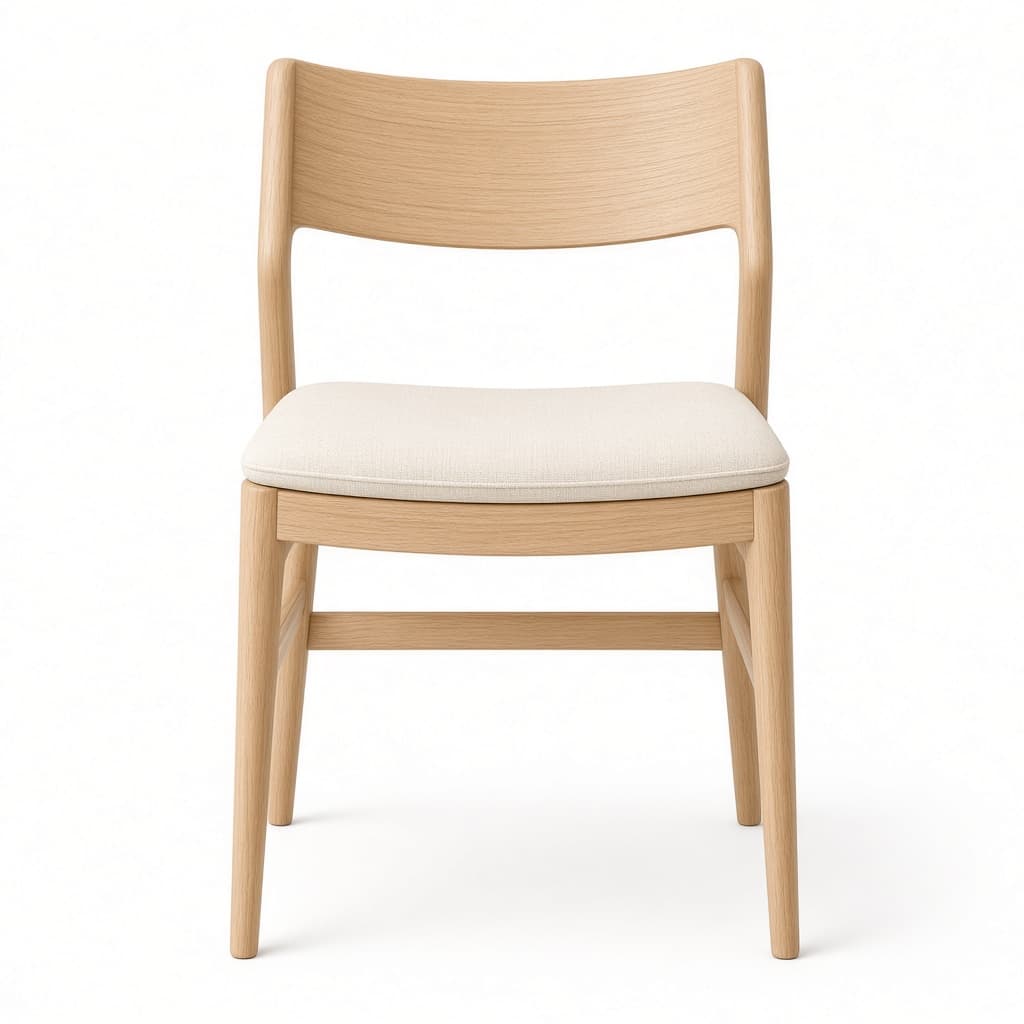
The BIS standard for general purpose chairs is IS 17632:2022. It covers general purpose chairs and stools and splits them into two types. Type 1 covers domestic seating such as dining chairs, folding chairs, easy chairs and stools. Type 2 covers institutional seating such as training, conference, visitor and cafeteria chairs. The type affects test loads and cycles, so classifying the chair correctly matters before BIS certification for general purpose chairs begins. Plastic, wooden and metal chairs can all fall under this standard, depending on design and use, and the ISI mark for general purpose chairs, like the ISI mark for chairs and stools, is granted under an IS 17632 licence. The IS 17632 product manual sets the sampling and test sequence.
BIS Certification for Tables and Desks (IS 17633)
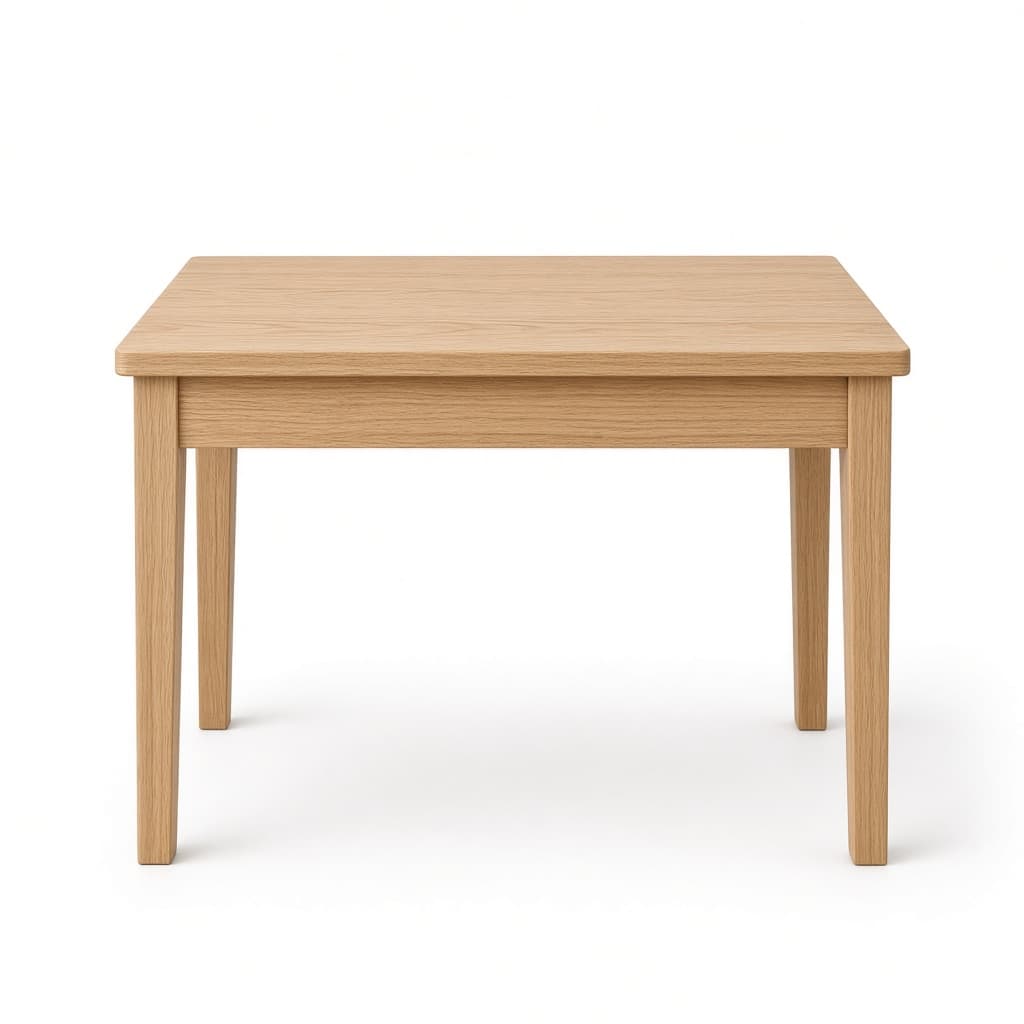
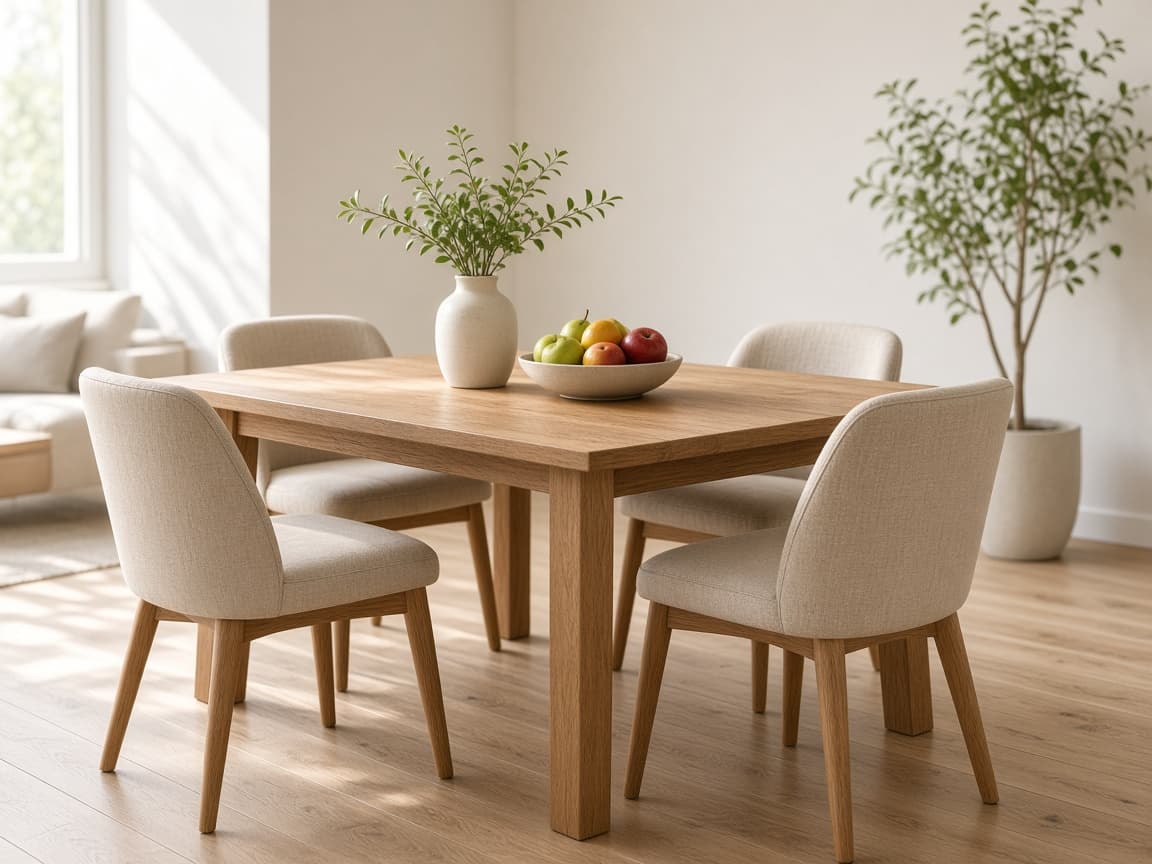
The BIS standard for tables and desks is IS 17633:2022, and the IS 17633 product manual sets two performance categories: office tables, including work, meeting and pantry tables, and domestic tables used in bedrooms, living rooms and for study. Tests include stability, strength, durability, impact resistance and deflection of the top. BIS certification for tables and desks is most often needed for office desks, study tables and meeting tables, and the ISI mark for tables and desks is applied after IS 17633 BIS certification is granted.
BIS Certification for Storage Units (IS 17634)
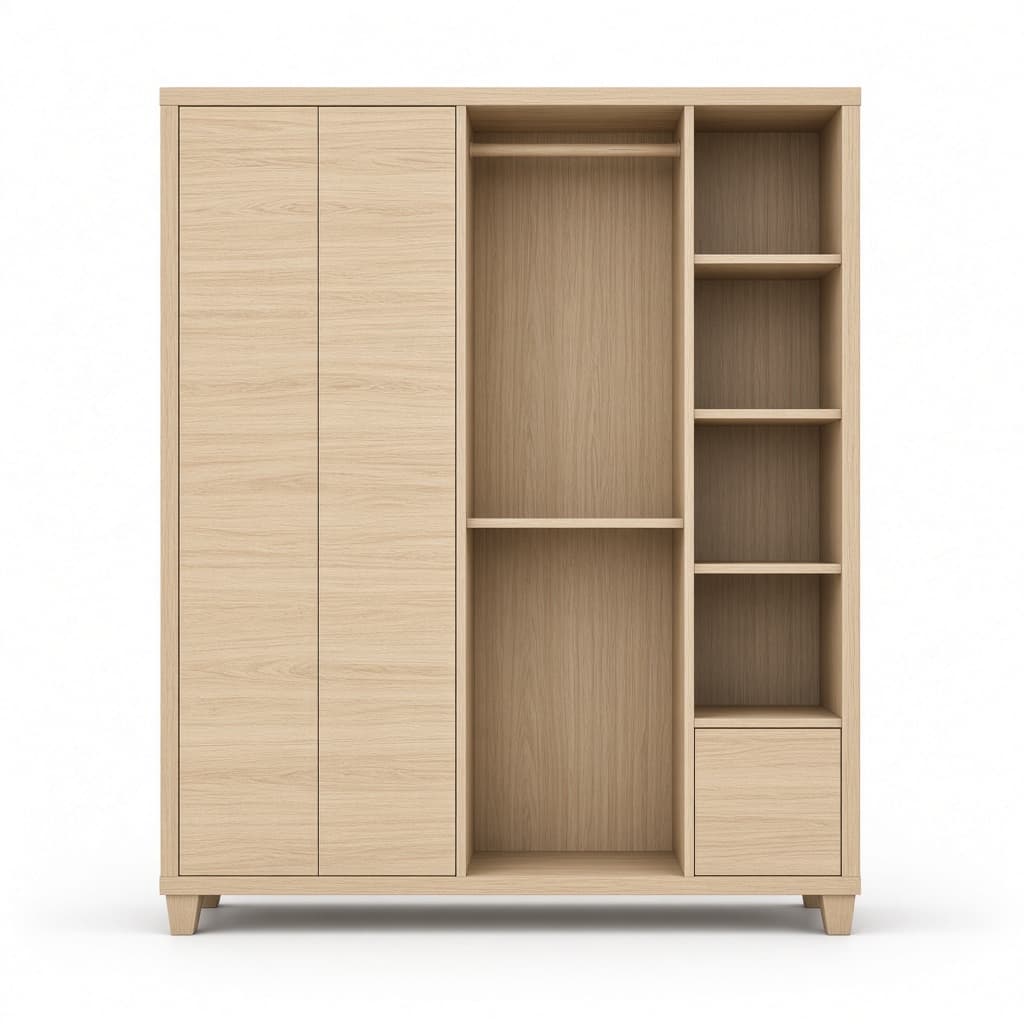
The BIS standard for storage units is IS 17634:2022, which covers storage furniture. Wardrobes, cabinets and shelving units are typical examples, but the exact boundary of a storage unit should always be checked against the IS 17634 product manual before applying. Steel almirahs, filing cabinets and lockers are common questions, and the answer depends on construction and intended use. Once scope is confirmed, BIS certification for storage units follows the same process as other categories, and the ISI mark for storage units is applied under the IS 17634 licence.
BIS Certification for Beds (IS 17635) and Bunk Beds (IS 17636)
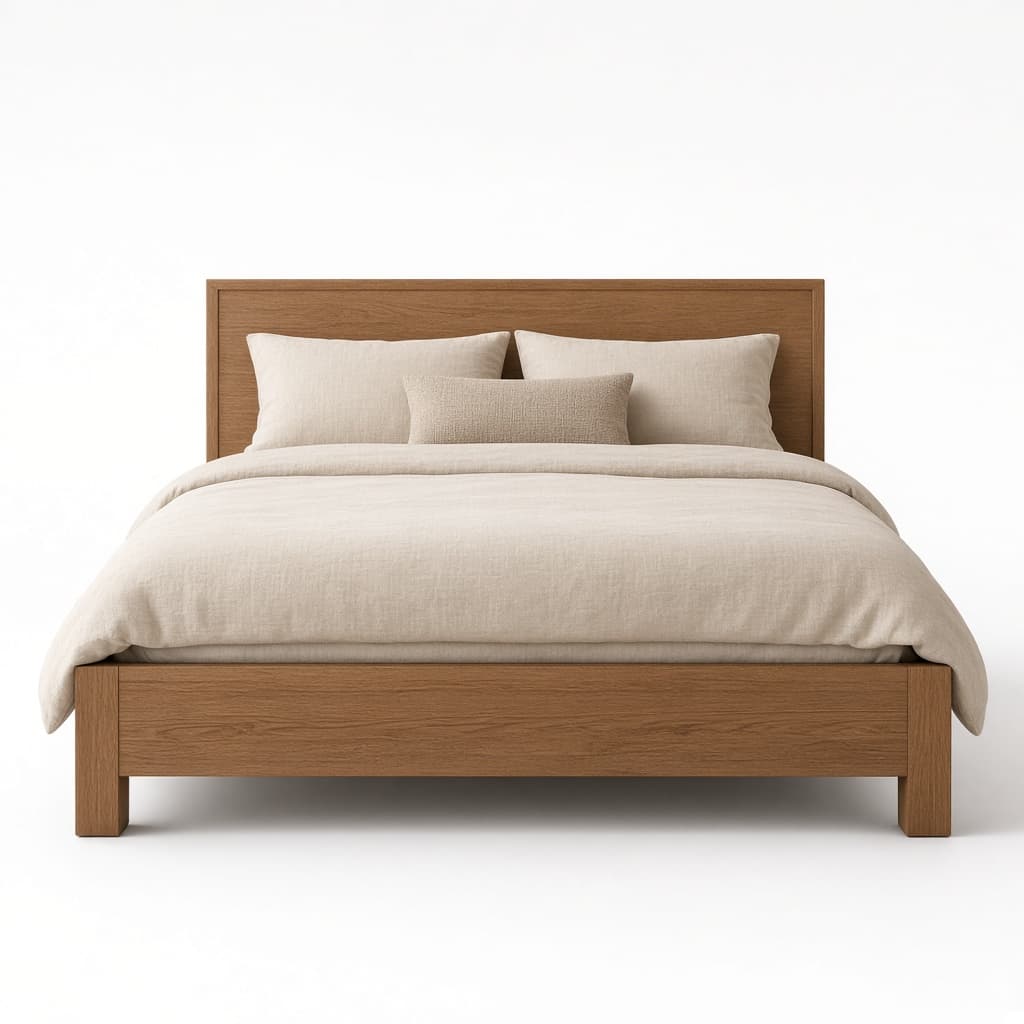
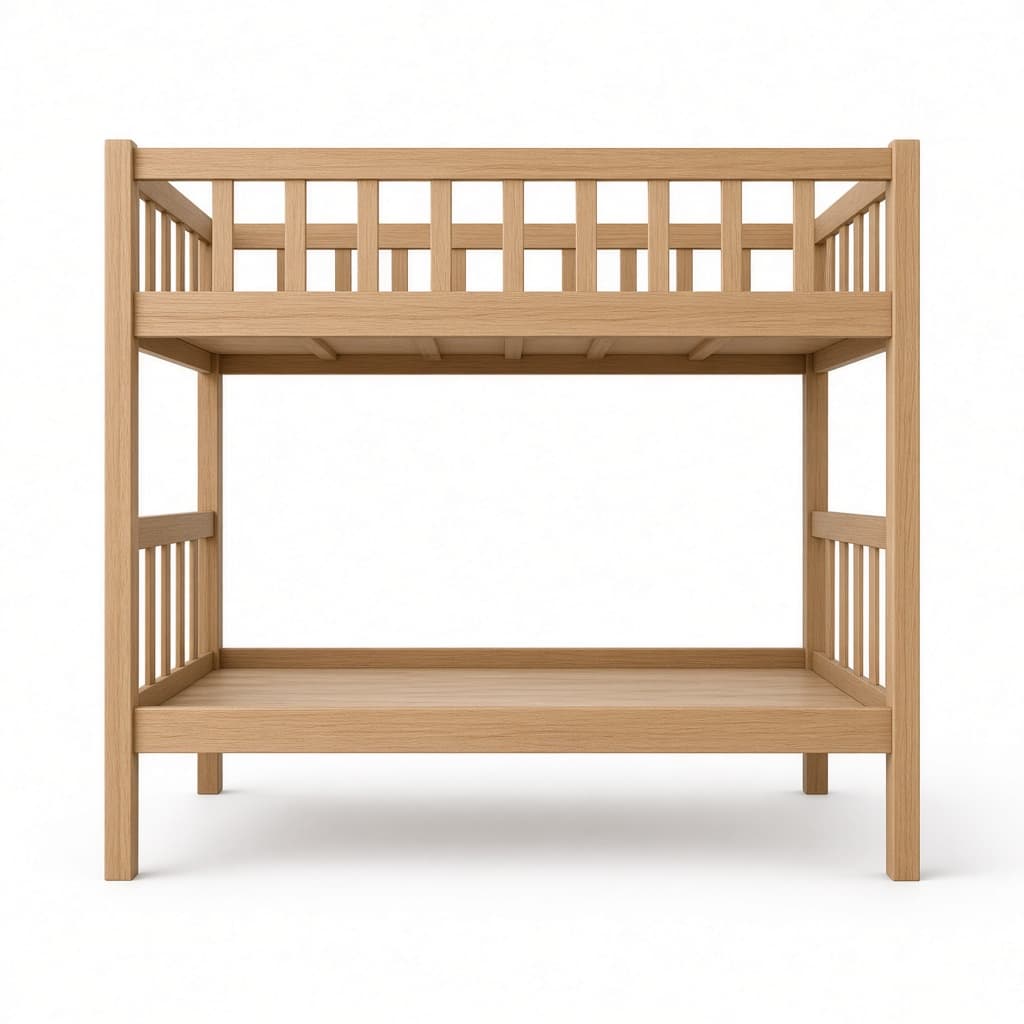
The BIS standard for beds is IS 17635:2022 and the BIS standard for bunk beds is IS 17636:2022, where safety rails, ladders and the strength of the upper sleeping surface are key concerns. BIS certification for beds and BIS certification for bunk beds are relevant to hostel, institutional and residential furniture makers; the ISI mark for beds and the ISI mark for bunk beds fall under separate standards, so check the IS 17635 product manual and IS 17636 product manual for each product's scope and tests. If your product is a hospital or medical bed, check whether it falls under medical device regulation instead, before assuming BIS furniture rules apply.
What Is Not Covered by the Furniture QCO?
The furniture QCO scope is limited to these six standards. Mattresses are not one of them. Sofas and upholstered seating, outdoor furniture, children's furniture, modular kitchen units and loose components are frequent questions, and whether a particular product falls within one of the six standards depends on its design, use and the scope wording in the relevant product manual. Get a written scope check before you either apply or decide that a product is outside the QCO, because a wrong assumption is costly at customs or during a BIS search.
BIS Furniture Testing: What Is Tested?
BIS furniture testing is done at a BIS recognised lab for furniture, against the clauses of the applicable standard. Across the six standards, the requirements fall into a few families:
- Design and workmanship: sharp edges, finish, joints, assembly and construction quality.
- Dimensions: key dimensions checked against the standard.
- Surface performance: behaviour of rigid surfaces, fabrics and synthetic or natural leather, where relevant.
- Stability: a chair stability test or table stability test checks that the product resists tipping in foreseeable use.
- Static load and strength: a furniture static load test or furniture strength test checks that seats, backs, tops and frames withstand specified loads.
- Durability: a furniture durability test, such as a chair durability test, checks that the product survives repeated cycles of use.
- Impact: for chairs and tables, resistance to sudden loads.
The product manual also sets a sequence: safety tests follow the order of clauses in the standard, and stability is repeated after durability testing, because a chair that is stable when new but loosens after cycling is not safe. Choosing a furniture testing lab in India that is BIS-recognised for your exact standard avoids repeat testing later.
Lead Model Grouping: Certify More Models With Fewer Tests
Furniture brands often have dozens of models. BIS product manuals handle this through families. Models with the same category, material and construction, and with dimensions within ±10% of a declared lead model, can be grouped into one family. The lead model is tested, and that result covers the other models in the family. Planning families well before furniture sample testing can cut cost and time considerably, and it is one of the first things we review with a new client.
In-House Lab and Factory Control
The work chair product manual expects large manufacturers to maintain an in-house laboratory equipped at least for the routine tests marked in its control tables, such as design and workmanship and stability and static-load checks. For MSMEs an in-house lab is optional; cluster facilities or a NABL lab for furniture testing are accepted alternatives. The manufacturer must also follow a documented quality plan. For work chairs, for example, durability tests are carried out once every six months, rotating through the lead models.
BIS Certification Process for Furniture: Domestic Manufacturers
The furniture BIS certification process for Indian factories runs on Manak Online, BIS's online portal, under Scheme-I. If you are wondering how to get BIS certification for furniture, the steps for BIS certification of furniture below show how an application actually moves, including the preparation where most delays happen.
- Confirm scope and standard. Map every product to IS 17631 to IS 17636, decide the Type or category within the standard, and confirm whether any exemption applies.
- Plan model families. Group models by category, material, construction and the ±10% dimension rule, and choose lead models.
- Prepare the factory. Set up production controls, raw material checks, calibrated test equipment and, where required, an in-house lab. Write the quality assurance plan and keep test records.
- Prepare documents. Company, factory, process, machinery, equipment, personnel and brand documents, as listed in the table below.
- Test samples. Get lead models tested at a BIS-recognised laboratory against the full standard.
- Apply on Manak Online. Submit the application with documents, test reports and fees.
- Factory inspection. A BIS officer inspects the factory, verifies processes and testing capability, and may draw samples. This BIS factory inspection for furniture is where preparation shows.
- Respond to observations. Close any queries or non-conformities raised by BIS.
- Grant of licence. BIS grants the licence after the licence fee and advance marking fee are paid. You can then apply the ISI mark with the CM/L number.
- Stay compliant. Follow the quality plan, keep records, allow surveillance and market sampling, and renew on time.
This is also the answer to how to get ISI mark for furniture, and to how to get ISI mark for office chairs in particular: the ISI mark comes only with the licence, after testing and inspection.
FMCS for Furniture: BIS Certification for Foreign Furniture Manufacturers
BIS certification for foreign furniture manufacturers is granted under the Foreign Manufacturers Certification Scheme. BIS has run FMCS since 2000, and licences are handled by its Foreign Manufacturers Certification Department in New Delhi. FMCS certification for furniture is granted to the overseas factory, not to the importer, and FMCS furniture licences are factory-specific. The licence allows that factory to apply the ISI mark on furniture shipped to India.
BIS for furniture import works the same way whoever the buyer is, and the ISI mark for furniture. If you manufacture furniture in Vietnam, Malaysia, Indonesia, Thailand, Taiwan, Turkey or Europe any other countries and supply Indian buyers, FMCS for furniture is your route. The MSME exemption does not apply to you, and the pre-implementation import relief has closed, so BIS certification for imported furniture is now the only way to keep shipping covered products.
Role of the Authorized Indian Representative (AIR)
Every FMCS applicant must nominate an Authorized Indian Representative. The AIR is an India-based person or entity, often the manufacturer's Indian subsidiary, branch or importer, who is accountable to BIS for the licence in India, signs undertakings and is the point of contact for compliance. Choosing a reliable AIR matters, because BIS deals with the AIR on queries, surveillance and complaints.
The Authorized Indian Representative (AIR) hereby confirms and undertakes to comply with the following roles and responsibilities in accordance with the requirements of the Bureau of Indian Standards (BIS) Act, 2016, and the applicable terms and conditions:
- 1. Compliance with Applicable Laws: The AIR shall ensure compliance with the terms and conditions of the agreement executed by the AIR, the provisions of the BIS Act, 2016, and all applicable rules, regulations, and Indian laws.
- 2. Personal Representation Before BIS: The AIR agrees to appear personally before the Bureau of Indian Standards or its authorized representatives for representation whenever required.
- 3. Ethical Conduct: The AIR shall not engage in any unethical practices while discharging their duties and responsibilities.
- 4. Confidentiality: The AIR shall maintain the confidentiality of all information obtained while discharging their duties and shall not disclose such information without proper authorization, except where disclosure is required by applicable law.
- 5. Facilitation of Market Sample Drawal: The AIR shall facilitate and ensure the drawal of market samples from consignments imported into India bearing the BIS Standard Mark, as required by the Bureau of Indian Standards and in accordance with applicable procedures.
FMCS Process for Furniture, Step by Step
- Scope and standard review. Map each product to the right Indian Standard and plan model families.
- Nominate the AIR. Sign the AIR agreement and prepare the nomination documents.
- Prepare the factory and documents. Process flow, machinery and test equipment lists, calibration records, quality plan, raw material controls, trademark documents, and an outsourcing agreement wherever any process is outsourced.
- Submit the application. File the FMCS application in the prescribed form with the application fee. BIS records the application and raises queries by email.
- Factory inspection abroad. BIS officers visit the factory to verify manufacturing and testing capability and draw samples. Travel, visa and per-diem costs are borne by the applicant.
- Independent testing for BIS recognized lab. Samples are tested independently; the applicant is responsible for safe delivery of samples and testing charges.
- Grant of licence. Before grant, the applicant pays the licence fee and advance minimum marking fee. After grant, it signs the agreement and indemnity bond and furnishes a Performance Bank Guarantee of USD 10,000 from a bank with an RBI-approved branch in India.
- Ship with the ISI mark. Certified furniture is marked with the ISI mark and licence number before it is shipped to India.
BIS indicates that FMCS processing takes about six months from the date a complete application is recorded. A licence is initially granted for at least one year and up to two years, and can then be renewed for up to five years at a time.
Furniture QCO Checklist for Importers
If you import furniture to India, the BIS requirement for furniture importers is simple to state and easy to get wrong in practice:
- The same applies to BIS for imported office chairs, tables and storage units: get the supplier's FMCS licence number and verify it on the BIS website before placing an order.
- Check that every model you buy is within the licensed scope and model family, not just made in "the same factory".
- Make sure the ISI mark and licence number are applied before shipment, not after arrival.
- Keep licence details with your import documents for customs and BIS queries.
- Arrange IEC and any packaging-related registrations in parallel so clearance is not held up.
Documents Required for BIS Furniture Certification
Use this BIS furniture documents list as a starting point. The exact list depends on the route and the factory, but a complete furniture application usually includes the following. Incomplete or inconsistent documents are the single biggest cause of delay.
How Long Does BIS Certification for Furniture Take?
For foreign factories, BIS indicates about six months from the recording of a complete application. For Indian factories, BIS certification time for furniture depends mainly on how ready the factory is, how long lab testing takes and how quickly observations are closed after inspection. In practice, delays come from the same places every time: unclear scope, poorly planned model families, missing calibration records and documents that do not match the factory.
Validity, Renewal and Post-Licence Compliance
A BIS licence must be kept valid by paying fees and renewing it before expiry; FMCS licences are first granted for one to two years and can then be renewed for up to five years. After the licence is granted, BIS can carry out surveillance inspections and draw samples from the factory or the market. You need BIS approval to add a new model or change the scope, and the licence covers only the models and factory approved. Each new edition or amendment of the Indian Standard also has to be followed.
ISI Mark on Furniture: CM/L Number and Marking Requirements
Every certified product must carry the Standard Mark indelibly and legibly, together with the licence number, as set out in the schedule of the licence and the product manual. The furniture product manuals also require the line "For BIS certification details please visit www.bis.gov.in" on the product. Packaging and labels must show the details required by the standard's marking clause.
ISI marking on chairs, tables and other covered furniture must follow the product manual exactly. The ISI mark on furniture meaning is that the product comes from a licensed factory and has been made under BIS-supervised quality control. How to check ISI mark on furniture: search the CM/L number on the BIS website. If a supplier cannot give a licence number, or the number does not match the product and factory, treat it as a red flag for a fake ISI mark.
Penalty for Selling Furniture Without ISI Mark
The Furniture QCO states that contraventions are punishable under the BIS Act, 2016. Under Section 29(3), contravening the compulsory-mark requirement can lead to imprisonment of up to two years, or a fine of not less than ₹2 lakh for a first contravention and not less than ₹5 lakh for later contraventions, which can extend to ten times the value of the goods. BIS can also search premises and seize non-compliant goods, and non-compliant import consignments can be held at customs.
Common Mistakes That Delay BIS Approval for Furniture
- Applying under the wrong standard or Type, for example treating a conference chair as a work chair.
- Testing every model separately instead of planning families around lead models.
- Assuming the TFQCO means Scheme-II applies to everyone.
- Assuming a test report from another country is enough without BIS testing and inspection.
- Choosing an AIR who is not ready to handle BIS correspondence.
- Leaving calibration certificates, quality plans and raw material records until the inspection is scheduled.
- Shipping furniture before the licence is granted and the ISI mark is applied.
How Ornate Quality Services Helps: BIS Consultant for Furniture
Ornate Quality Services is a BIS certification consultant for furniture manufacturers and an FMCS consultant for furniture factories abroad, working with importers and brands through the whole process. Our BIS furniture certification services cover:
- A written scope check that maps your products to IS 17631 to IS 17636 and identifies any exemption.
- Model family planning so testing focuses on the right lead models.
- Factory readiness: quality plan, in-house lab requirements, calibration and records.
- Document preparation and filing on Manak Online or through FMCS, including AIR arrangements for foreign factories.
- Coordination of testing at BIS-recognised laboratories and preparation for the BIS factory inspection, in India or abroad.
- Post-licence support for surveillance, adding models and renewals.
Because furniture is new territory for BIS, accurate guidance matters more than speed claims. We work from the official order, its amendments and the BIS product manuals, and we tell you clearly when a product is outside the QCO as well as when it is inside it.
Related Services
Sources and Last Updated
Last updated: 5 October 2026. The furniture QCO gazette notification and the amendment orders are published on egazette.gov.in and bis.gov.in; if you need the furniture QCO PDF, download the furniture QCO official notification from those sites rather than a third-party copy. Facts on this page are taken from the Furniture (Quality Control) Order, 2025 (S.O. 801(E), Gazette of India), the Furniture (Quality Control) Amendment Order, 2026 (S.O. 774(E)), S.O. 777(E), the Second Amendment Order (S.O. 1125(E)), the Transition Facilitation (Quality Control) Order, 2026 (S.O. 3417(E)), BIS product manuals for IS 17631, IS 17632 and IS 17633, BIS's FMCS grant-of-licence page, BIS's fee list and Section 29 of the BIS Act, 2016.
Official pages: Bureau of Indian Standards · eGazette of India · Manak Online · BIS Act, 2016
Talk to a BIS furniture certification expert. Share your product list and factory location, and we will map your furniture to the right standard and route, ISI or FMCS, and give you a clear plan.
Contact Ornate Quality Services